

What a year 2020 is turning out to be. We are in the midst of a global pandemic. When that is over we have to look forward to economic recession and higher taxes! At the same time, there are rampant wildfires all over the globe, glaciers and ice shelves are disappearing fast, microplastic is turning up everywhere, our forests are disappearing and our wildlife is in catastrophic decline. Some experts are even suggesting that our destruction of natural habitats is driving the increase in diseases like COVID and increasing the risk of more appearing.
Climate scientists have been ignored or outgunned by the climate change deniers for decades and little progress has been made to stop the destruction of our world’s delicate ecosystem. Maybe 2020 will finally be the year when we start to listen to people like Greta and David Attenborough we start to take the threat seriously and actually make some meaningful changes.
Small Achievable Goals
There is obviously a huge role for governments in helping us be more environmentally friendly. They need to ensure that environmentally damaging activities are not given subsidies but environmentally friendly ones are. They need to make sure that polluters are monitored, their damage stopped and pollution cleaned up. Energy, water management, land usage, and transportation policy will be hugely important as will giving women control over their family planning.
Having said that there is also a complementary and equally powerful role for individuals. The things we choose to consume, the way we choose to live, travel, reproduce, eat, and spend our leisure time all have an environmental impact. The trouble is we don’t always have very good information on the carbon footprint or myriad of other environmental impacts each product or service we use has. There are so many choices we make each day it is impossible to research each and every one. The good news is you don’t have to.

Four Simple Rules
There are four simple rules that you can use which will help you start to make meaningful change. You don’t need to do them all at once. Choose the one that you think will be easiest or better still the one you think will really create a big change.
- Don’t waste anything. From food to clothes to furniture, don’t throw it away. Eat it, donate it, repair it, repurpose it, sell it, freecycle it or swap it .
- Don’t buy it. Many of us have developed a habit of buying things to reward ourselves or make us feel better. Be it a chocolate cake, a ludicrously expensive coffee, or the latest must-have fashion buy. We need to break this obscene habit. Fast fashion, buying things with crazy packaging, overbuying on weekly food shops so we throw stuff out and get fat – it all has to stop. The good news is when you start to make these changes a major benefit is you have more cash. You can use this money to pay off debts or treat yourself to a film or a massage.
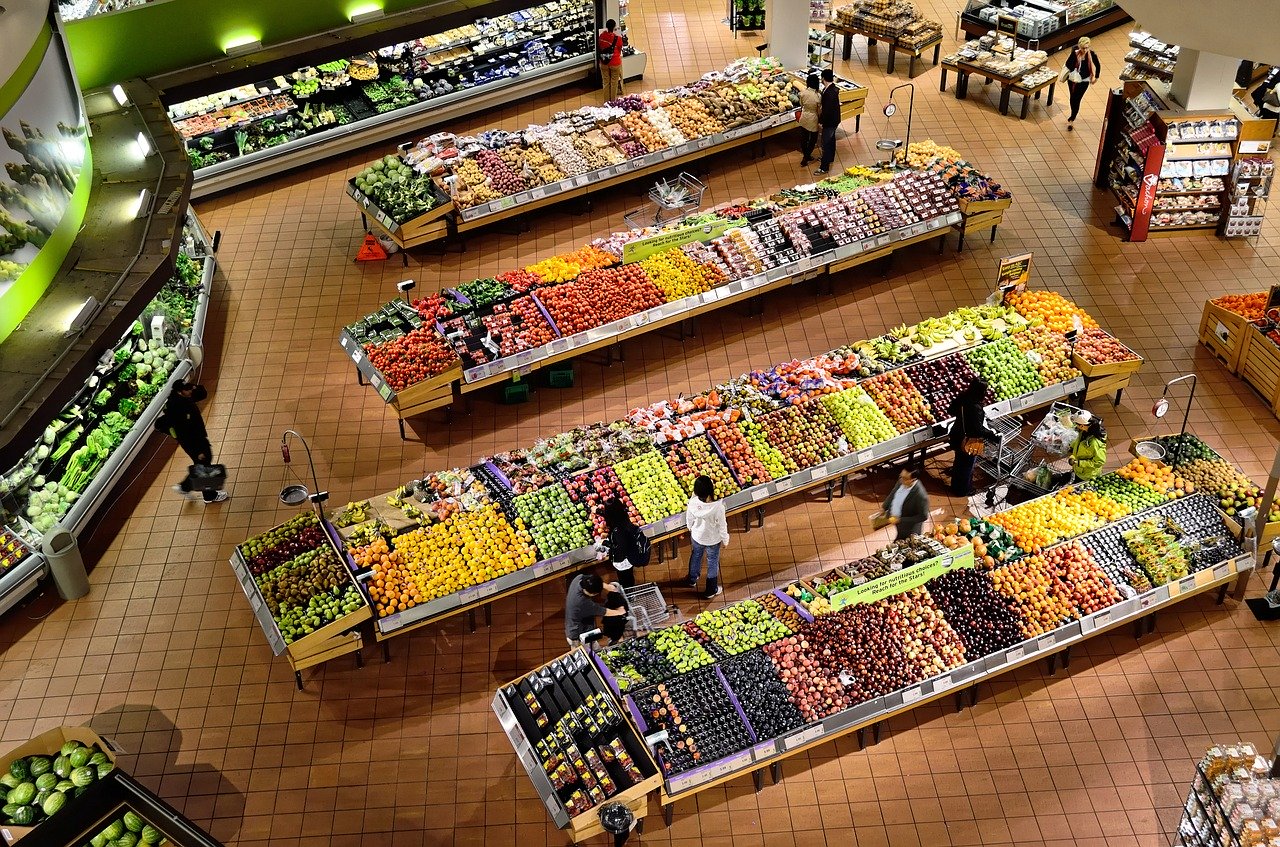
- Change what you eat. Certain foods are incredibly resource, energy, land, and water-intensive. If we eat loads of these then we are driving climate change and ecosystem destruction. Giving certain foods up entirely might be too hard but reducing the amount you eat is really easy. The good news is that more environmentally friendly foods are usually incredibly healthy. What to reduce? Meat, fish, dairy, out of season fruits & veg. Replace these foods with in-season vegetables, mushrooms, whole grains (like brown rice and oats), and nut milk and butter. There are loads of books, and websites devoted to helping people eat more veg and healthy wholegrain foods. An easy way to get started is to find a local vegetable box delivery service. You will get a box every week or two with locally grown in-season veg (often organic). If you challenge yourself to use it all and not throw any away you will soon find yourself eating loads of healthy vegetable dishes; soups, stews, chilies, lasagnas, and curries.
- Change how you travel. Travel can have a hugely detrimental effect on the environment. Ween yourself off your car and only use it when you really need to. So few of us city dwellers actually bother to work out what the local bus routes and times are. Once you do you won’t look back. Can you walk or cycle instead of relying on your car or a taxi? Do you really need several foreign holidays a year, can you mix in some airplane free breaks?
These four simple rules are easy to understand and follow. They will guide you through nearly every decision you make helping you make choices with reduced your environmental impact. That might be enough for you, at least for now. If not read on for some discussion about a few more areas in which you have big positive impacts.
Grow The Right Stuff
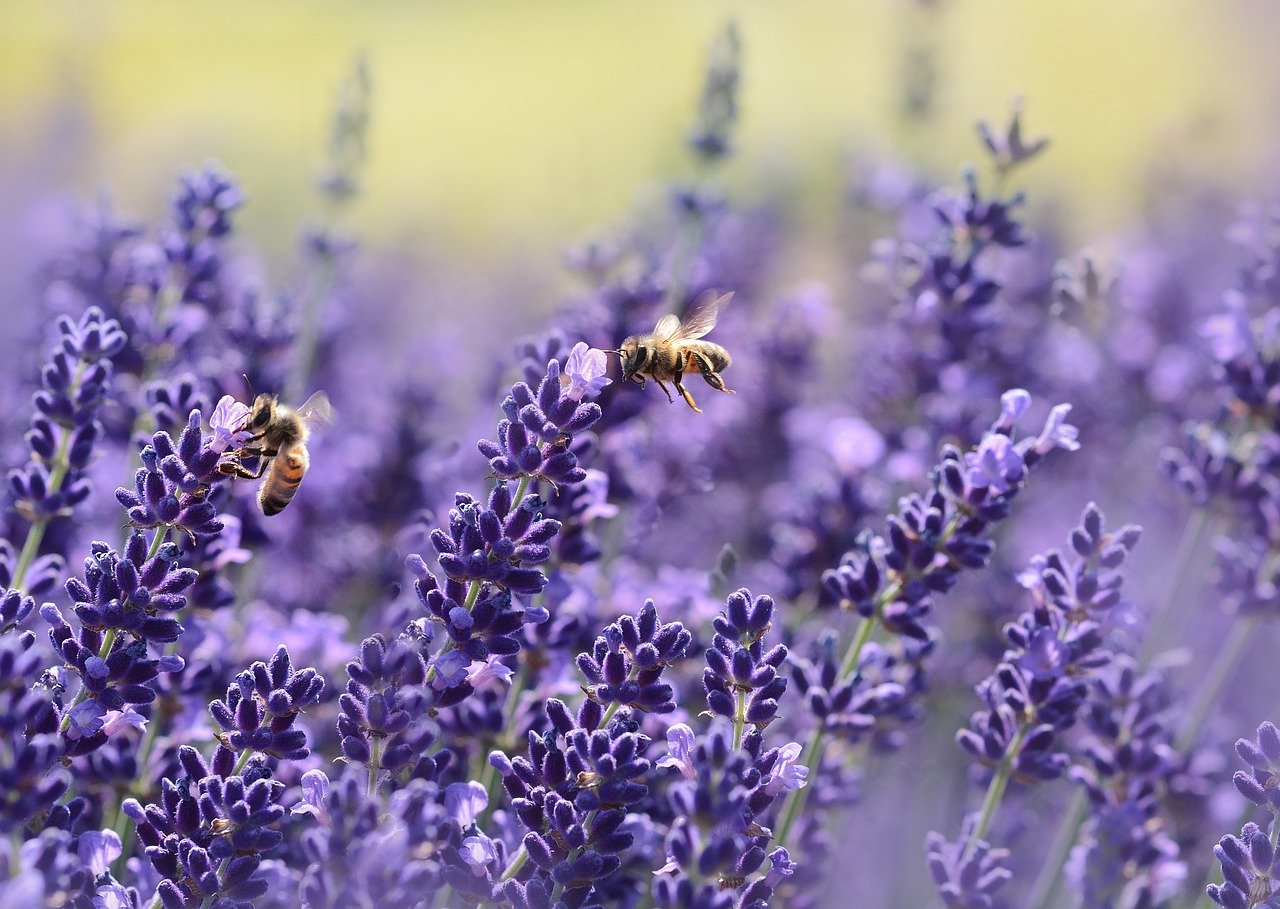
If you have some motivation for a bit of gardening there are some good things you can do to help your local wildlife. One of the simplest things is sowing bee, insect, and bird-friendly seeds. You can just buy a big tin of seed online and throw it down on any patch of soil or grass no matter how big or small. The seed mixes provide a range of plants that provide, food, shelter, egg sites and cover all of which help support local life. You can also buy insect houses, hedgehog homes, and create natural ponds for frogs, newts, and aquatic insects.
You can grow your own food too. Start small with a few planters or window boxes for herbs and salad greens. Grow bags are great for terraces and positioning up against garden walls. Buy small tomato, bean, and pea plantlets, and watch them grow. If you have a garden then you can be much more ambitious. Berry bushes and ‘standard’ fruit trees are easy to buy, use little space but produce a good crop. Courgette and squash plants and seeds are low maintenance and give you bumper crops. Potatoes are also incredibly abundant but you do need to do a fair bit of digging to prepare the soil, plant, and ‘mound’.
Family Planing
There is no doubt that more humans mean more demand on the environment and less of us eases virtually every environmental pressure. Don’t have kids if you don’t really need one, if you have to have one, try to stick to just the one! Support ethical family planning and women’s education programs in your own and other countries.
Investments
You can support the green revolution in many ways, your savings and investments are one of them. There are now countless green investment schemes. These range from low-risk tracker funds that only invest in companies with sound environmental records, to renewable energy schemes and on to higher risk strategies like targeting specific companies (think vegan burgers or eggs), hydroponic city farms, or innovative startups. There is plenty of choice, so however much you have and whatever risk you want to take you will be able to find a suitable investment.
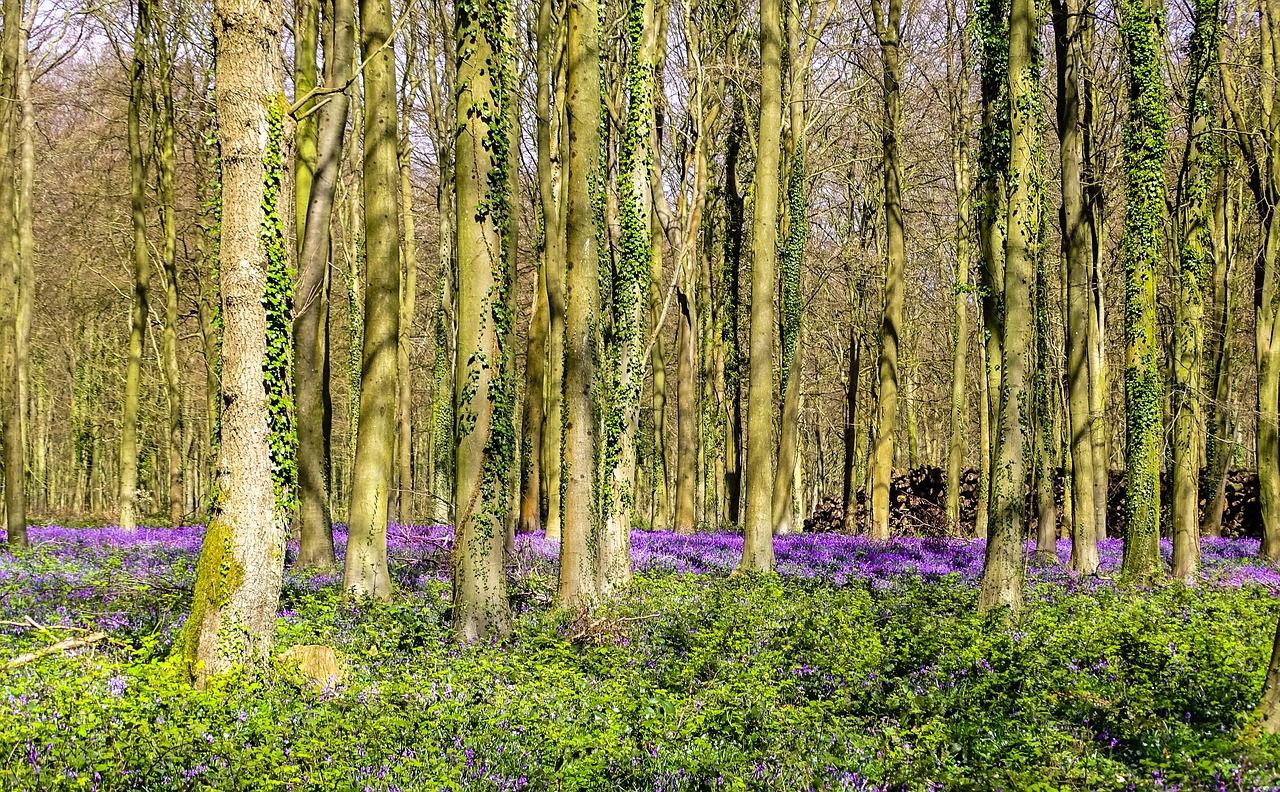
You can of course make a more direct investment. You can buy a share in a local farmers’ co-op. Why not invest in your own forest or woodlands right here in the UK. You can set all your own rules for the biodiversity, use of the land, and harvesting of wood. If it seems a bit technical you can get help from experts who can guide you through buying, managing, and getting returns from your woodland.
Home Improvements & Cars
If you are making a big one-off purchase of some kind then it pays to spend a bit of time considering the environmental pros and cons of each.
If you need a new car do you really need an SUV? Wouldn’t a hybrid, electric, or small efficient car be a better option? Does your family really need more than one car? Can you use public transport, taxis and one-off rentals rather than buying a second or third vehicle? Will a moped do rather than a second car?
If you are having an extension or laying a deck or driveway think about the materials you are going to use. Aluminum and concrete are big polluters and energy-hungry. Local materials and renewable materials like wood are often sounder choices. These days you can find modern high tech materials, traditional materials, and a combination of the two all of which are green and also have excellent longevity.
There is no doubt that climate change and damage to our ecosystems are very real threats to life as we know it. We all need to be making choices that make sense in this context. Who we vote for, which companies we spend our money with, what we eat and how we consume resources are all hugely important. We hope this article will be helpful to everyone who is trying to make more responsible decisions.