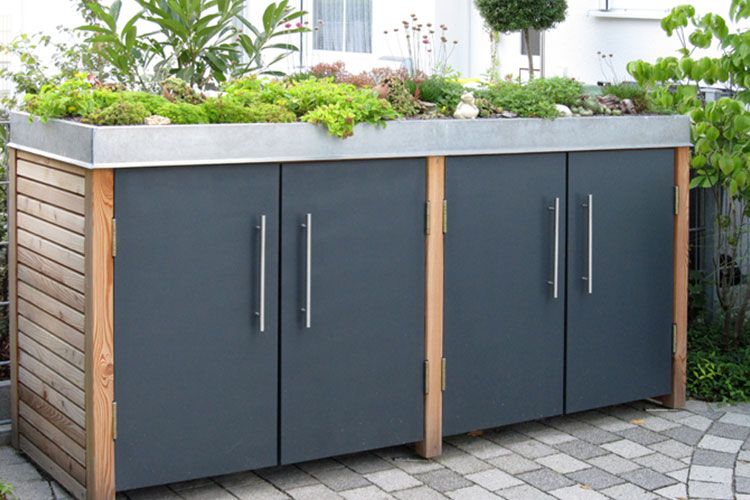
The iconic red British Phone box, the traditional red post box, the Biro pen and the Swiss Army Knife are all examples of design excellence in everyday objects. Rather than blight the environment they add to it combining design excellence in both function and style. What a shame a bit more thought didn’t go into the design of the now ubiquitous wheelie/recycling bins! They are simply everywhere. Every home has more than one and these large ugly lumps will spoil the kerb appeal of any homes front or ruin your rear patio or garden.
If you can’t, or don’t want to, live with these plastic behemoths cluttering up your space then you can do something about them.
Access
First of all, you need to decide on the best place to keep your wheelie bins. You want to keep a clear path between the bins and the place the rubbish is collected from. Don’t put anything like planters, pots, or bikes in the way as this will make moving your bins a chore. You also need to make sure you leave enough width for the bin to pass without the risk of damaging walls or other garden objects.
Next, you need to identify the best way to hide your wheelie bins. Whatever you do you need to retain easy access to their tops so putting your rubbish in them doesn’t become difficult. This means you need to preserve some space above the lids or build in a raiseable lid over them.
Existing Structures
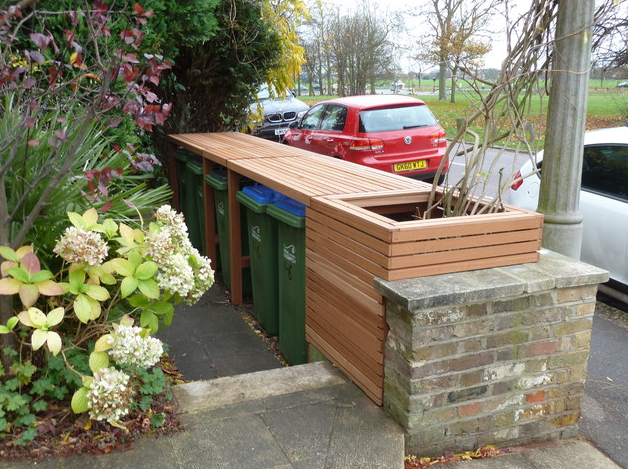
If you are lucky you might already have some existing structures which you can use to completely or partially conceal your bins. Walls, fences, and hedges can all act as instant screens. You might just need to raise your existing screen or create an extra side to completely hide your wheelie bins. This can be done using fence panels, wicker panels, flower boxes, or by using flowers, shrubs and trees.
Materials
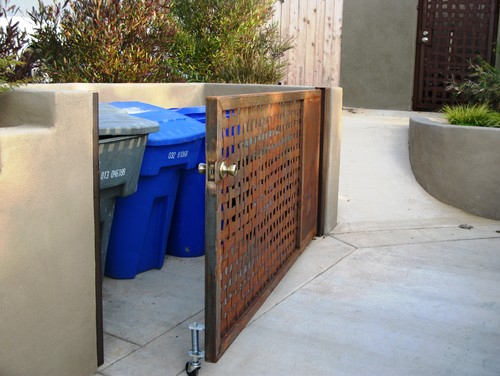
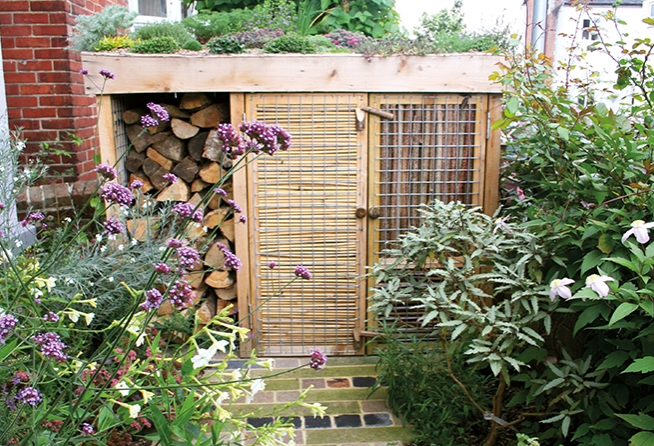
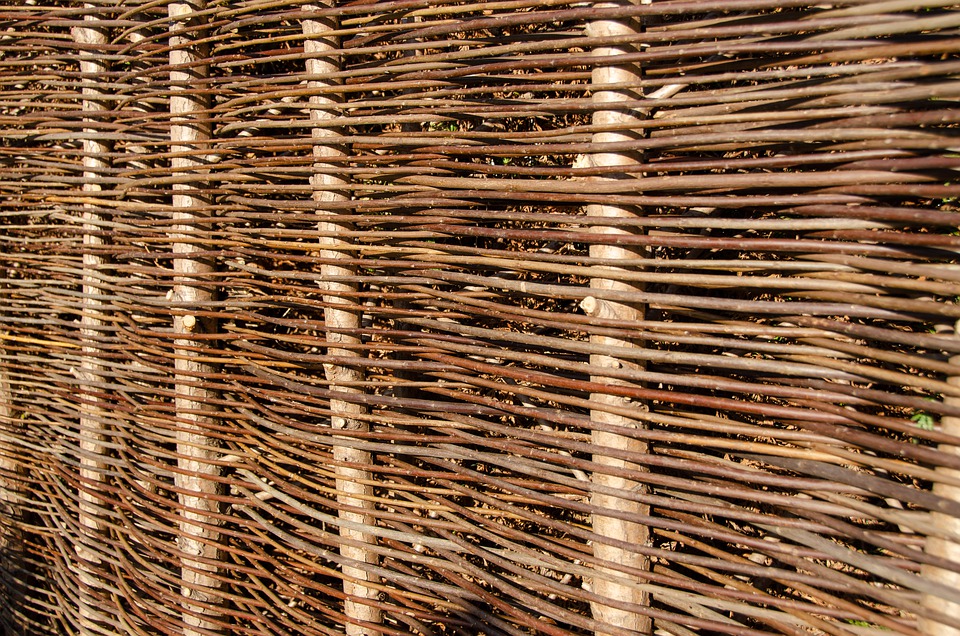
Choose your materials wisely, the color both when new and aged need to work with your home and garden. If you have a traditional look then something natural like wicker is a good option. Natural wood and metal trellising can also work well. If you have a modern style then wood and metal are also good options but you will want to choose stronger simpler lines and paint them slate grey or a bright modern hue.
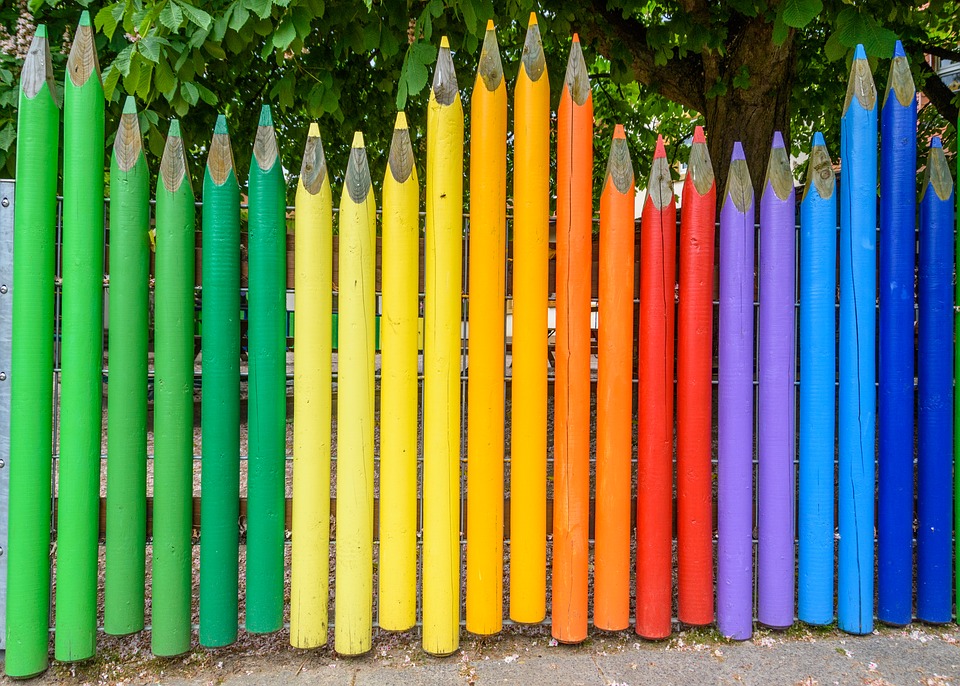
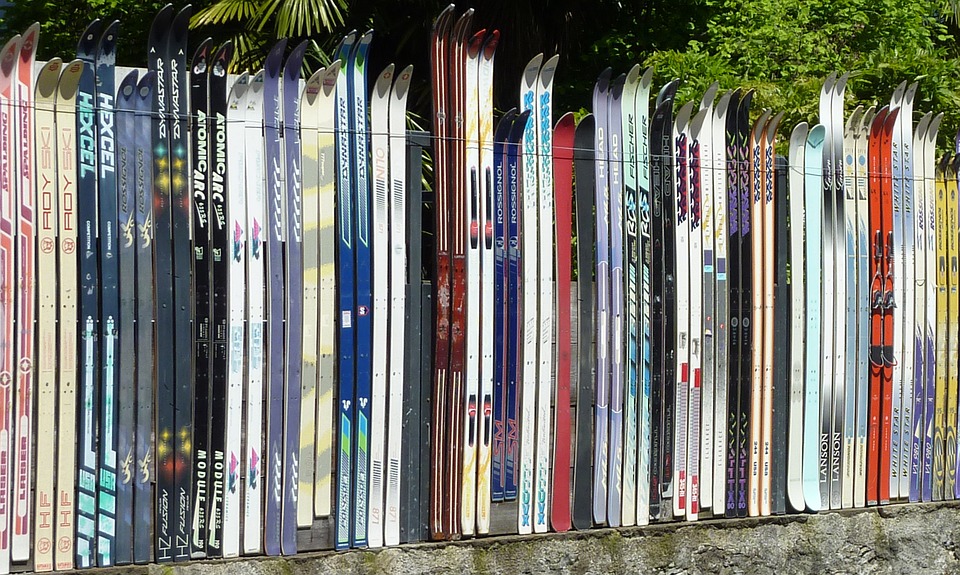
You can be as creative as you want – use recycled materials, something related to a hobby of yours, something fun for the kids, or use the wall you create to hang an exterior mirror or exterior picture on.

Build A Structure
If you can’t use an existing garden structure then you need to start from scratch. There are several options; building a wall, putting a fence in place, constructing or buying a purpose-designed wheelie bin store.
The purpose-built flat-pack option is a pretty good one. They are pretty cheap when compared to the material and labour cost of DIY oversions. A single bin store with a hinged lid and front opening door can be as cheap as £180 and a store for three full-sized wheelie bins start from £330. Because they are wood structures you can paint them any colour so they look great in any garden, no matter how modern or traditional. All you need to do is screw together a few panels to construct the frame and then use or create a suitable flat base.

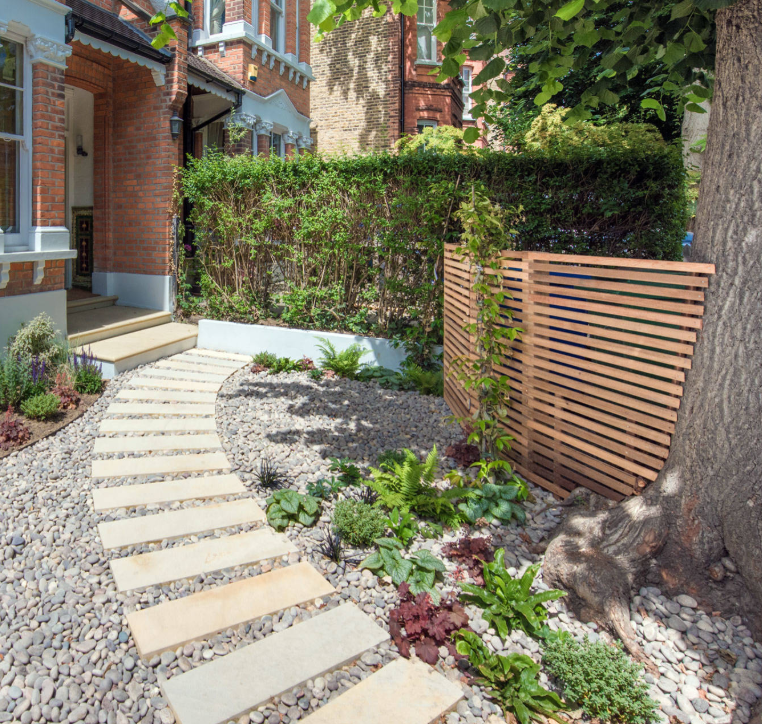
If you want to have a go at the DIY option the simplest is a screen. You will need to set some posts into the ground securely using concrete or metal fence post stakes. You can then fix any fencing, trellis or even coloured cladding to these posts to form a screen. Leave it, paint it or grow plants up it. You can add sides and possibly a hinged top too that you can easily lift when you want to put rubbish in one of your bins – if you have some decent carpentry skills that is.
Plants
If you have soil then a quick, easy and cheap option is to plant a screen. Shrubs and small trees are a great way to create a screen. You can go to your local garden center and ask for some suitable options. Things to bear in mind;
- Final size. You really only need a screen that is just over a meter high to hide your bins. You can of course have a higher screen but you need to consider if this will block a view or stop light reaching the rest of your home or garden. Also, spare a thought for your neighbors, their views, and light.
- Trimable? You will want to keep your plants neat and stop branches growing into the space you need to access and maneuver your bins. They will, therefore, need to be a type that can withstand trimming and cutting back.
- Prickles. You will probably need to stand and walk very close to your hedge and maybe even brush it now and again. Thorns, prickly leaves, and spikes are therefore not a good idea! There are some varieties of holly and roses that are not prickly or stabby but make sure you choose your variety wisely.
- Evergreen? As you will no doubt be aware many plants lose their leaves during Winter. This could potentially expose your bins. If you choose a plant that loses its leaves make sure it is one that has a dense structure of overlapping branches like beech because these branches will still form an effective screen even if they are bare. The alternative is to use evergreen plants of which conifers are good examples.
- Flowers and scent. If you have a small garden then the bins and their screens will be taking up a large proportion of the space. In this case, you might want to make extra efforts to make the screen attractive by choosing a variety that flowers and or smells nice. You can also pick plants with attractive glossy leaves or choose an interesting colour like red or silvery grey.
- Spread. Bamboo is a lovely modern screening choice however some varieties can spread aggressively and grow through concrete and paving becoming a real nuisance. Make sure you choose a variety that will not get out of control.